

Lidar Navigation for Robot Vacuums
Robotic vacuums can cost between $200 and four figures They can be a worthwhile purchase for people with messy homes and hectic lifestyles. Many robot vacuums are equipped with attractive features, like self-emptying bins and mopping features built-in.
Advanced models have sensors to help navigate, map, and other features. Some have cameras and gyroscopes for additional accuracy.
LiDAR
Lidar is a laser-based technology that measures distances using light beams. It is used in self-driving cars and aerospace, but also helps robot vacuums identify obstacles they may not be able to see with cameras or other sensors. The technology uses laser pulses that bounce off of objects before returning to the sensor. This creates a map of the room, which includes detailed information on the shape, size and relative location of objects.
This helps robot vacs avoid hitting furniture legs, and other obstacles which could damage them or clog their suction motors. It also gives a more precise picture of the space, which allows them to plan a cleaner path through rooms and ensure that no area is left unnoticed. Certain models can draw the entire layout of your home making it simpler to set up and reduce the need for complicated programming or manual navigation.
Of course, the benefits of lidar are hampered by the ability of a robot vacuum to distinguish what is an obstacle and what is simply dirt. Particularly with older models, this may lead to a frustrating experience of being stuck on piles of dog poop, or tangled up in phone cords and socks.
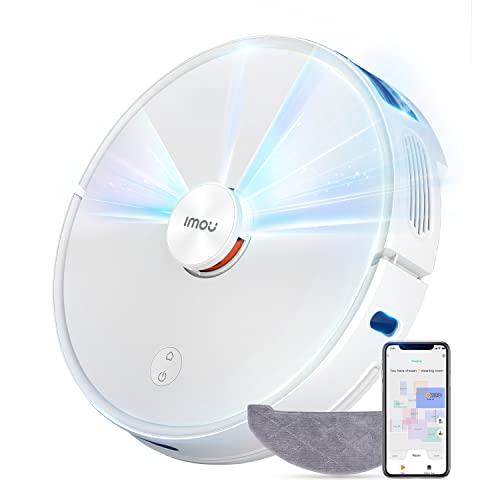
The top robot vacuums that have lidar come with the most advanced obstacle avoidance techniques, which make use of cameras and lidar to navigate. These vacuums are able identify piles of pet feces, and can also navigate through phone cords and socks. Find models with intelligent mapping and allow users to create virtual no-go zones. They can also be easily set up via Alexa, Google Assistant, or even the smartphone app.
If vacuum robot with lidar have to clean up pet hair or other messes regularly you should consider a robotic vacuum cleaner that also mop. They can be programmed to clean their oscillating mop tanks in a certain pattern. This eliminates the requirement to empty the tank manually after every cleaning. You'll pay more for multi-tasking bots that have all the bells and whistles, however it will save you a substantial amount of time and hassle throughout the year.
Gyroscopes
Lidar navigation, initially employed in self-driving vehicles is now available for robot vacuums. Lidar uses lasers to scan the environment, measuring the time it takes for each beam to bounce off objects before returning to the sensor. This information is used for creating a 3D room map and for detecting obstacles.
This is a crucial characteristic of robot vacuums, since many are small and could get stuck on cords, furniture legs, or toys. This technology lets the robot avoid having to go through multiple times or back up across the same area. This saves time and energy. But with a 3D map, the robot can quickly discover a new route and avoid getting stuck.
Most robot vacuums use sensors or cameras to detect obstacles and objects, however some combine technologies to achieve the most effective results. The Roborock S7 MaxV, for instance, is a 3D-mapping camera that combines with lidar for better floor mapping and more precise obstacle detection. This allows the robot to navigate more efficiently and to clean corners and under furniture.
The S7 MaxV also has gyroscopes, which help it maintain stability while cleaning. This is especially useful when working on slippery or uneven floors. It also stops the robot from drifting off its initial path and slipping spots.
The ECOVACS DEEBOT T20 OMNI is another robot that offers excellent navigation and mapping capabilities thanks to its lidar and 3D-mapping sensors. It is able to quickly recognize various types of flooring and clean them based on the specific requirements of each. It even detects dirt that is trapped between carpets and rugs. With its suction power, DEEBOT T20 OMNI will take away pet hairs and allergens.
Similar to the Roborock Q Revo, this robot can mop and vacuum your floors on demand or in a set schedule. It can also detect areas that are prone to traffic and clean them according to a regular schedule. This model has a multifunctional Dock, smart swiveling, mopping and digital keep-out Zones. It does not have the intelligent obstacles avoidance of its competitors that cost at least $1,000 A accidental cable or sock can cause a problem for an otherwise clean.
SLAM
One of the biggest hurdles for intelligent robotics is the fact that the majority of machines require a map for navigation. SLAM, also known as simultaneous localization and mapping, is an algorithm that allows robots to independently create this map while they move about in a brand new environment.
In contrast to 3D-mapping cameras which utilize light to identify objects, lidar sensors shoot laser beams that bounce off surfaces and return to the sensor, delivering real-time distance measurements for floor maps. This allows the robots to identify and avoid obstacles even in low light conditions.
Utilizing gyroscopes as well as other sensors, SLAM can help robots to create a precise and accurate model of their surroundings. This will help them identify themselves within a space and make decisions on which areas to move in and which areas to clean. Without SLAM robots are unable to move in a predictable manner and could miss large furniture, other objects or get power cut off due to their motors being used too much.
If you're looking for a robot vacuum that uses SLAM, be sure to keep its sensor free of debris and dust in order to ensure that it functions properly. If you have any questions or concerns, contact customer service or consult the user manual of your robot vacuum for tips on troubleshooting.
While the budget models, such as the top pick for best robot vacuum on Amazon, rely on an unintentional bump and move type of navigation to navigate their environment advanced robots integrate information from multiple sensors to create 3D maps of their surroundings and make smart navigational decisions about what to clean and which areas to move. This could result in a faster cleaning route with less missed coverage.
We've tested a variety of robots and discovered that the most effective and accurate ones utilize lidar as well as camera-guided navigation. They also have 3D mapping and AI obstacle avoidance intelligence. This combination enables the robot to plan its actions more precisely, so it doesn't have to waste long stumbling around a room or getting stuck with a toy or remote. The iRobot Roomba j7, with its user-friendly and reliable app is the gold standard in this class.
Optical Sensors
A robot vacuum can be an excellent investment if your household struggles to keep up on dust, pet hair and dirt. Even the top robotic vacuum cleaners can't reach every corner and are not a replacement for an upright stick, canister or.
If you're looking for a model that can keep up with the accumulation of dust and debris pick one with the latest smart mapping technology as well as object and obstruction detection capabilities. Lidar-guided robot navigation allows them to navigate around furniture, avoid getting stuck on cords, and clean up faster.
Consider features such as scheduling or voice assistant integration, as well as remote control operations. The majority of robot vacuums allow you to create cleaning schedules and designate rooms for cleaning that is either manual or automatic however, those with more advanced technology let you control the robot with your smartphone, tablet or smart speaker. You'll need to think about how much time you are willing to devote to cleaning your room and emptying the dustbin of the vacuum.
The robot vacuums we have reviewed are able to navigate your home without a hitch however some take longer to complete a task. Find one that has a max cleaning duration of around 60 minutes to ensure that you don't run out of battery power before finishing the task.
Some models have dual navigation, which utilizes lidar and gyroscopes to map out the home and ensure accurate cleaning. This is a great choice for homes with large floors and many rooms, as it reduces the number of times the robot has to restart.
Take note of the frequency with which your pets shed and if they're likely to leave a mess inside. Look for a model that's pet-friendly, as it will be less likely to get clogged with fur or dander.
While most robots that have lidars and gyroscopes navigate their way to their homes but it's worthwhile to upgrade to one that has 3D-mapping cameras and object recognition smarts for an even more clean. The Roborock S7 MaxV offers both technologies, and you can set virtual "no go" zones to prevent the robot from tripping on wires or getting caught in rogue socks or shoes.